
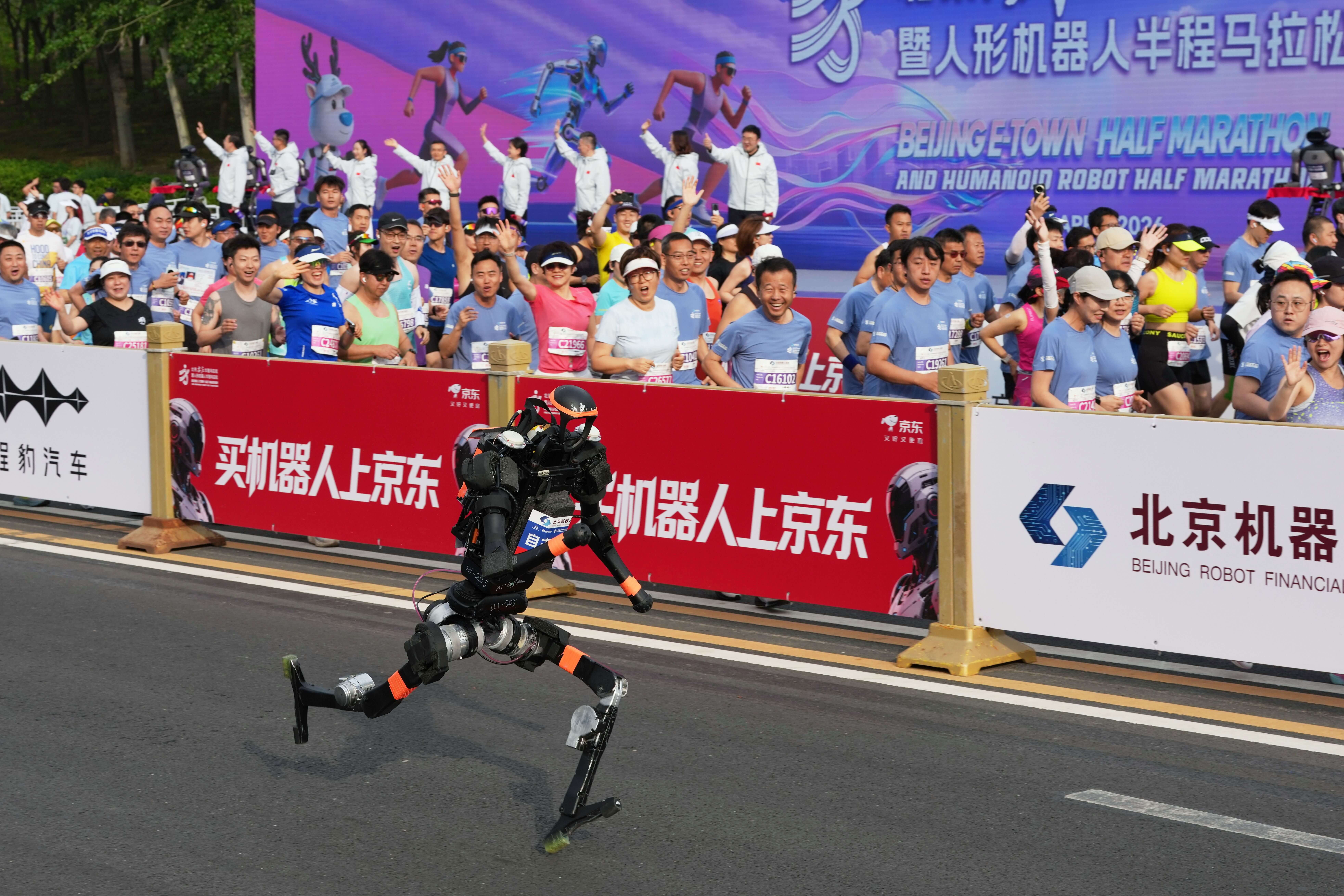
China's Strategic Push in Embodied AI Aims to Transform Robotics Industry
A new report by MERICS, "Embodied AI: China's Ambitious Path to Transform its Robotics Industry," details China's strategic and comprehensive approach to advancing its robotics sector through the integration of embodied artificial intelligence. This initiative positions China to potentially reshape its industrial landscape and global standing in robotics.
Defining Embodied AI and China's Vision
Embodied AI, as described in the report, refers to the integration of artificial intelligence with physical systems, such as robots, enabling them to interact with and learn from the physical world. China's strategy appears to be a multifaceted effort, aiming to develop AI technologies that can be embedded into robots, thereby enhancing their capabilities and applications across various sectors. This push is not merely about technological advancement but is framed as a significant step towards industrial transformation. The report suggests that China views embodied AI as a crucial driver for future economic growth and a means to enhance its competitiveness in the global robotics market.
Key Drivers and Policy Frameworks
The report highlights that China's pursuit of embodied AI is underpinned by strong government support and a clear policy framework. This includes significant investment in research and development, the establishment of innovation hubs, and the promotion of collaboration between academia and industry. The focus is on creating an ecosystem that fosters rapid development and deployment of embodied AI technologies. Specific policy objectives likely include increasing the sophistication of Chinese robots, expanding their application in areas such as manufacturing, logistics, healthcare, and potentially public services, and reducing reliance on foreign technology in critical areas. The aim is to move beyond current robotic capabilities towards more autonomous, adaptive, and intelligent systems.
Implications for the Robotics Industry
China's ambitious agenda in embodied AI is poised to have substantial implications for the global robotics industry. By investing heavily and strategically, China aims to not only catch up with but potentially lead in areas of embodied AI innovation. This could result in a surge of advanced Chinese robotics products and solutions entering the international market. The report suggests that this development may challenge existing market leaders and necessitate a reassessment of global supply chains and technological dependencies within the robotics sector. Furthermore, the widespread adoption of embodied AI in China could lead to significant changes in labor markets and industrial productivity.
In conclusion, China is pursuing a determined strategy to integrate embodied AI into its robotics industry, driven by government policy and significant investment. This ambitious path aims to foster technological advancement, enhance industrial capabilities, and position China as a leading force in the future of robotics on a global scale.