
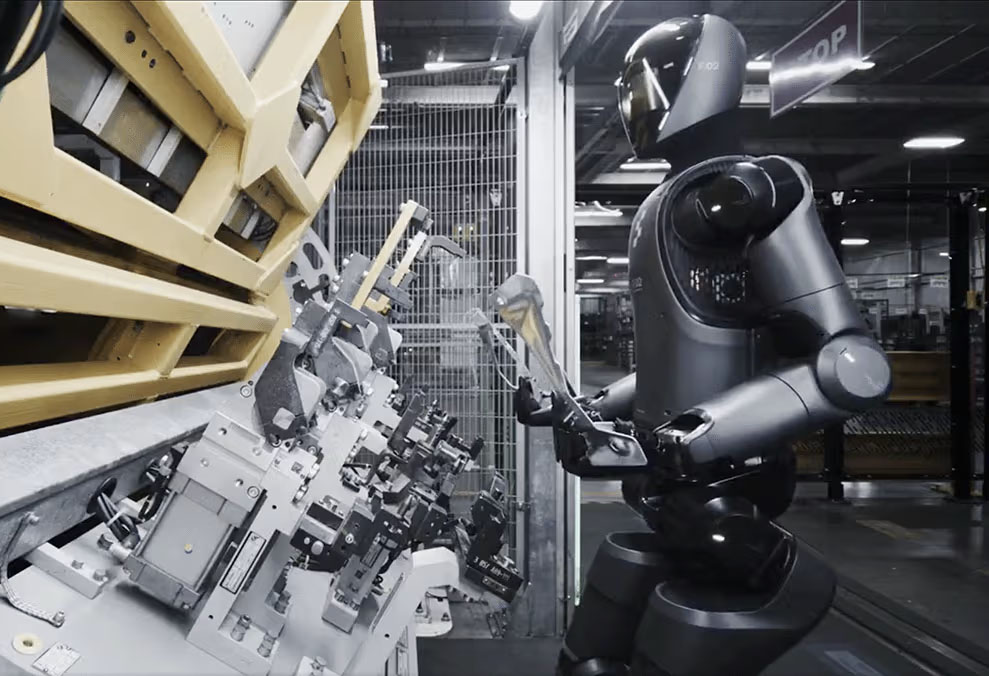
2026 Predicted as Pivotal Year for Humanoid Robots
The year 2026 is identified as a potentially transformative period for the development and adoption of humanoid robots, according to recent analysis. This projection is based on advancements in artificial intelligence, manufacturing capabilities, and the increasing demand for automation across various sectors.
Advancements Driving Humanoid Robot Development
Significant progress in artificial intelligence is a primary catalyst for this predicted shift. Enhanced machine learning algorithms are enabling humanoid robots to perform more complex tasks and interact with their environment in more sophisticated ways. This includes improved capabilities in navigation, manipulation, and human-robot collaboration. Concurrently, manufacturing processes are becoming more efficient and scalable, which is expected to reduce the cost of producing humanoid robots, making them more accessible for widespread deployment. The combination of these technological leaps and cost reductions is poised to accelerate their integration into industries such as logistics, manufacturing, healthcare, and service.
Market Demand and Potential Applications
The growing need for automation to address labor shortages and improve operational efficiency is a key driver for the projected increase in humanoid robot adoption. Industries are increasingly exploring how humanoid robots can complement human workforces by taking on repetitive, hazardous, or physically demanding tasks. Potential applications range from assisting in warehouses and factories to providing support in elder care facilities and performing complex surgical procedures. The increasing integration of sensors and advanced software is expanding the range of tasks these robots can undertake, moving them beyond theoretical possibilities into practical applications.
In summary, 2026 is anticipated to be a landmark year for humanoid robots due to a convergence of technological advancements in artificial intelligence and manufacturing, coupled with rising market demand for automated solutions across diverse industries. This period is expected to see a significant increase in the deployment and capabilities of these robots.