
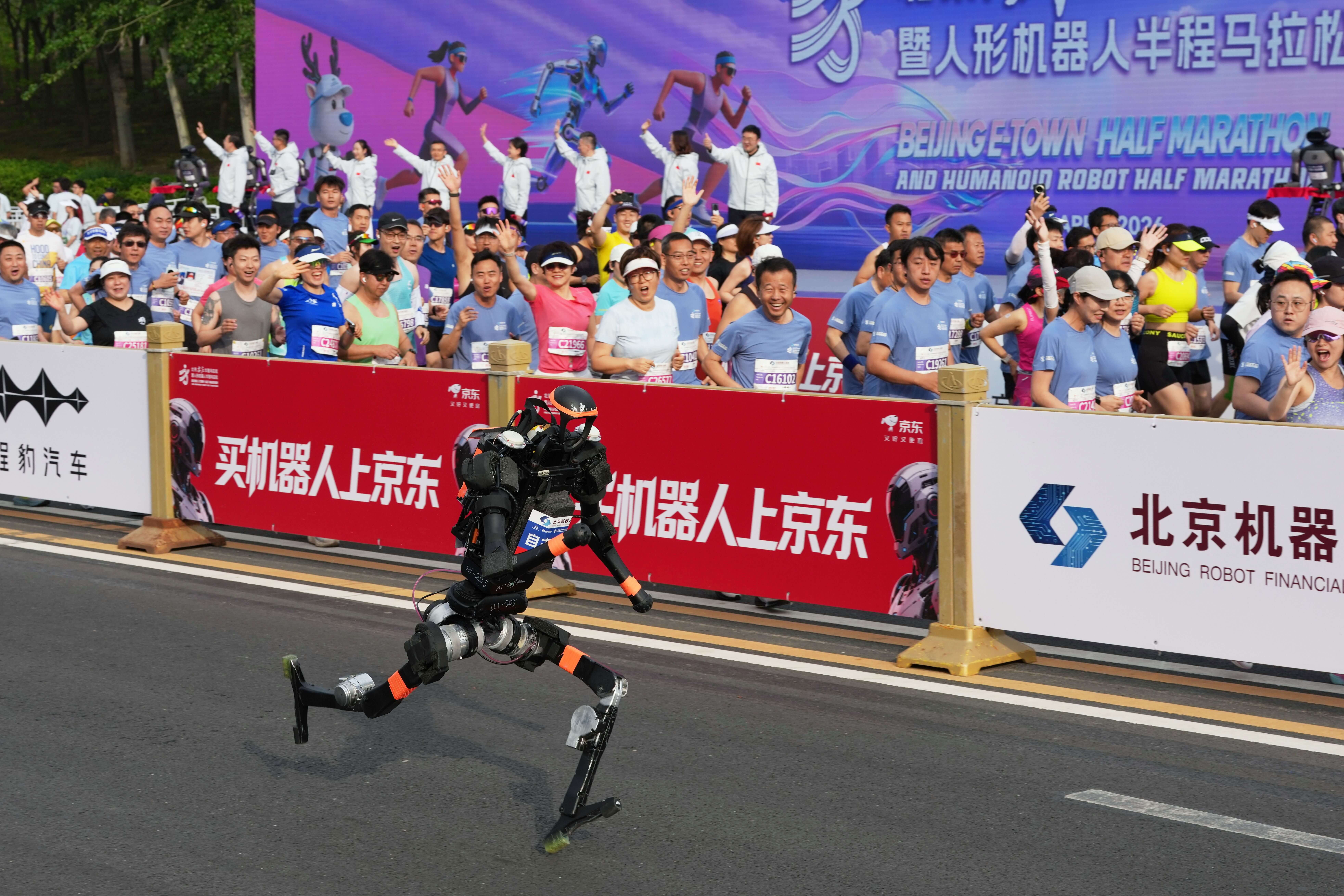
China's Embodied AI Ambitions Target Robotics Industry Transformation
China is pursuing a strategic initiative to integrate "embodied AI" into its robotics industry, aiming to foster innovation and achieve breakthroughs in intelligent manufacturing and other sectors. This ambition involves significant investment and a focus on developing robots with advanced cognitive and physical capabilities.
Embodied AI and Strategic Goals
The report highlights that China views embodied AI as a critical technology for its industrial modernization and economic competitiveness. Embodied AI refers to systems that combine artificial intelligence with physical bodies, enabling robots to interact with and learn from the physical world. The Chinese government has identified robotics as a key sector for development, with embodied AI positioned as a core component of this strategy. The aim is to move beyond traditional industrial robots to more versatile and intelligent machines capable of performing complex tasks in diverse environments.
Research, Development, and Industry Focus
China's approach involves a multi-pronged strategy encompassing research, development, and industrial application. This includes fostering collaboration between academia and industry to accelerate the pace of innovation. The focus is on developing key technologies such as advanced sensing, robust locomotion, dexterous manipulation, and sophisticated reasoning and learning algorithms for robots. These advancements are intended to drive transformations in areas like manufacturing, logistics, healthcare, and potentially even domestic services, by equipping robots with greater autonomy and adaptability.
In conclusion, China's push for embodied AI signifies a determined effort to elevate its robotics industry. The strategy centers on integrating advanced AI with physical robotic systems to unlock new capabilities and applications across various sectors, with the ultimate goal of enhancing industrial competitiveness and technological leadership.