
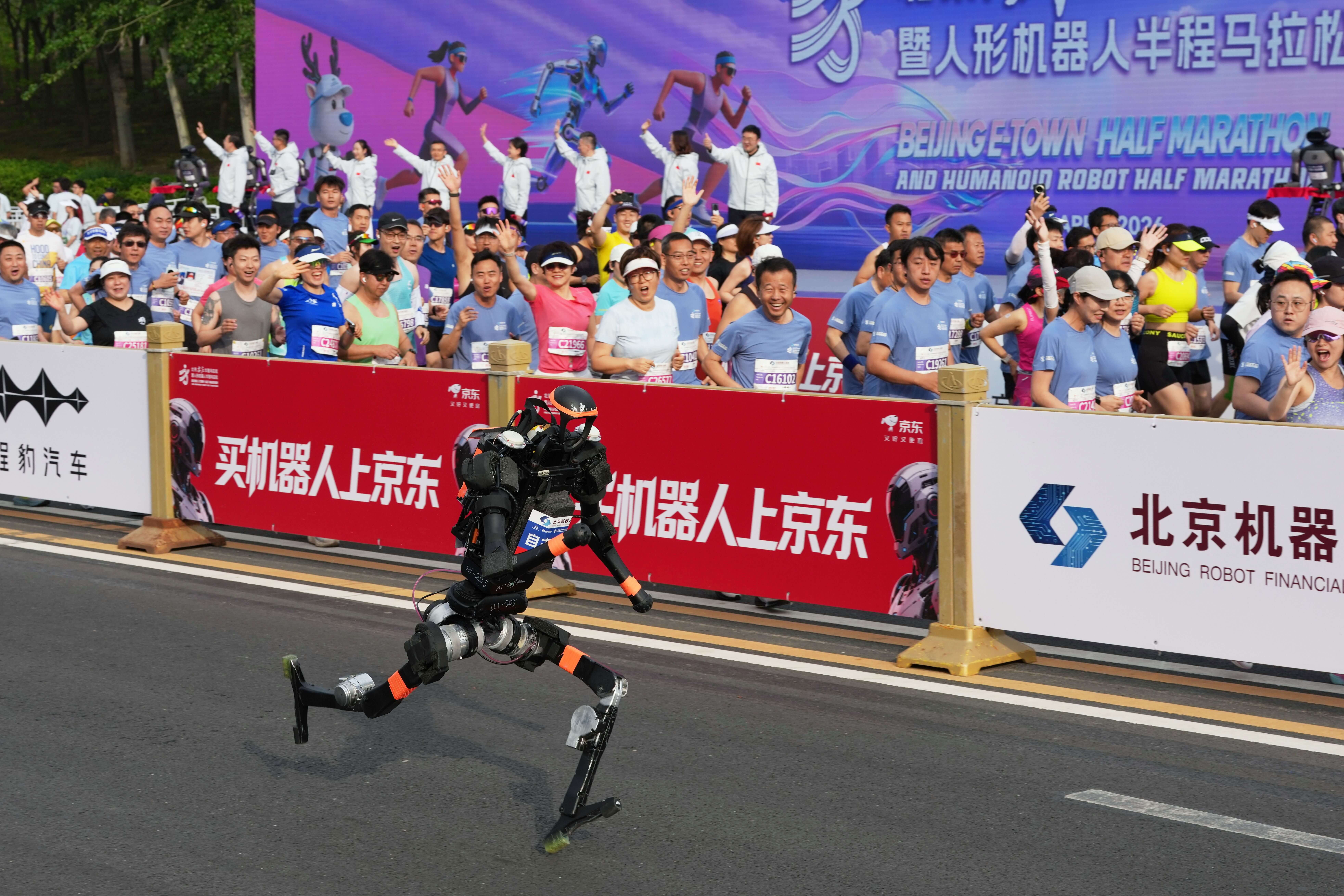
China Pursues Ambitious Robotics Transformation with Embodied AI
China is undertaking a significant strategic initiative to transform its robotics industry through the advancement and integration of embodied artificial intelligence (AI). This initiative aims to enhance the capabilities and applications of robots, positioning China as a leader in this rapidly evolving technological sector.
Embodied AI: A Core Component of Robotics Advancement
Embodied AI, which focuses on AI systems that can interact with and learn from the physical world, is central to China's robotics strategy. This approach moves beyond theoretical AI to practical, physical applications. The development of embodied AI is seen as crucial for creating robots that are more adaptable, intelligent, and capable of performing complex tasks in diverse environments. This includes improvements in perception, decision-making, and physical manipulation for robotic systems.
Strategic Goals and Industry Impact
The ambition behind China's push into embodied AI for robotics is multifaceted. It seeks to not only upgrade the domestic robotics sector but also to establish new benchmarks for intelligent automation. This transformation is expected to have a profound impact across various industries, potentially leading to increased efficiency, new service models, and the development of advanced manufacturing capabilities. The focus on embodied AI signals a long-term commitment to integrating sophisticated AI with physical robotic platforms to drive innovation and competitiveness on a global scale.
In summary, China is actively working to revolutionize its robotics industry by prioritizing the development and deployment of embodied AI. This strategic focus is intended to enhance robot capabilities and foster significant advancements in automation, aiming to solidify China's position in the global robotics landscape.