
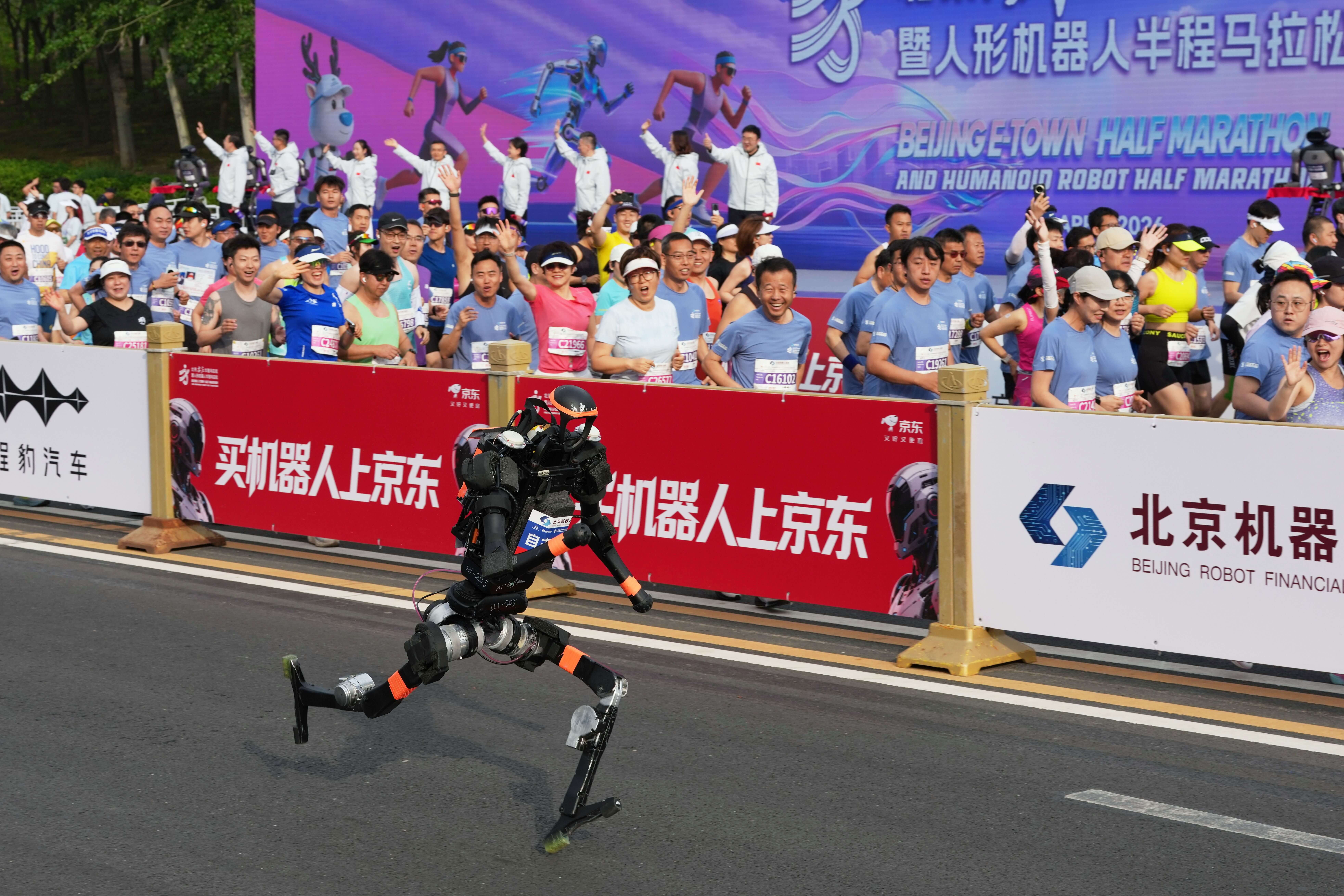
China Pursues "Embodied AI" to Revolutionize Robotics Industry
China is embarking on an ambitious strategy to integrate "embodied AI" into its robotics industry, aiming to create more adaptable, intelligent, and versatile robots capable of real-world interaction and problem-solving. This initiative represents a significant shift in the nation's approach to robotics development, moving beyond pre-programmed functionalities towards robots that can learn, reason, and act autonomously in complex environments.
Key Drivers of the Embodied AI Strategy
The push for embodied AI is driven by several key factors. The report highlights the desire to overcome the limitations of current robotics technology, which often struggles with unstructured environments and novel situations. Embodied AI, by contrast, seeks to equip robots with sophisticated perception, reasoning, and control capabilities that allow them to understand and interact with their surroundings more effectively. This is seen as crucial for applications ranging from advanced manufacturing and logistics to elder care and disaster response. China's strategic vision emphasizes the development of robots that can not only perform tasks but also adapt to changing conditions and learn from experience, thereby enhancing their overall utility and efficiency.
Technological Focus and Potential Impact
The development of embodied AI in China involves a multi-faceted technological approach. Research and development are focusing on areas such as advanced sensor integration, sophisticated learning algorithms, and robust decision-making frameworks. The goal is to enable robots to perceive their environment through multiple senses, process this information in real-time, and make intelligent decisions to achieve their objectives. Successful implementation of embodied AI is expected to lead to a transformative impact on China's robotics industry, fostering innovation and potentially positioning the nation as a global leader in advanced robotics. This could translate into significant economic benefits and advancements across various sectors.
In summary, China is strategically investing in and developing "embodied AI" as a core component of its robotics industry advancement. This initiative aims to create more intelligent and autonomous robots by focusing on enhanced perception, reasoning, and real-world interaction capabilities, with the potential to significantly reshape the future of robotics.