
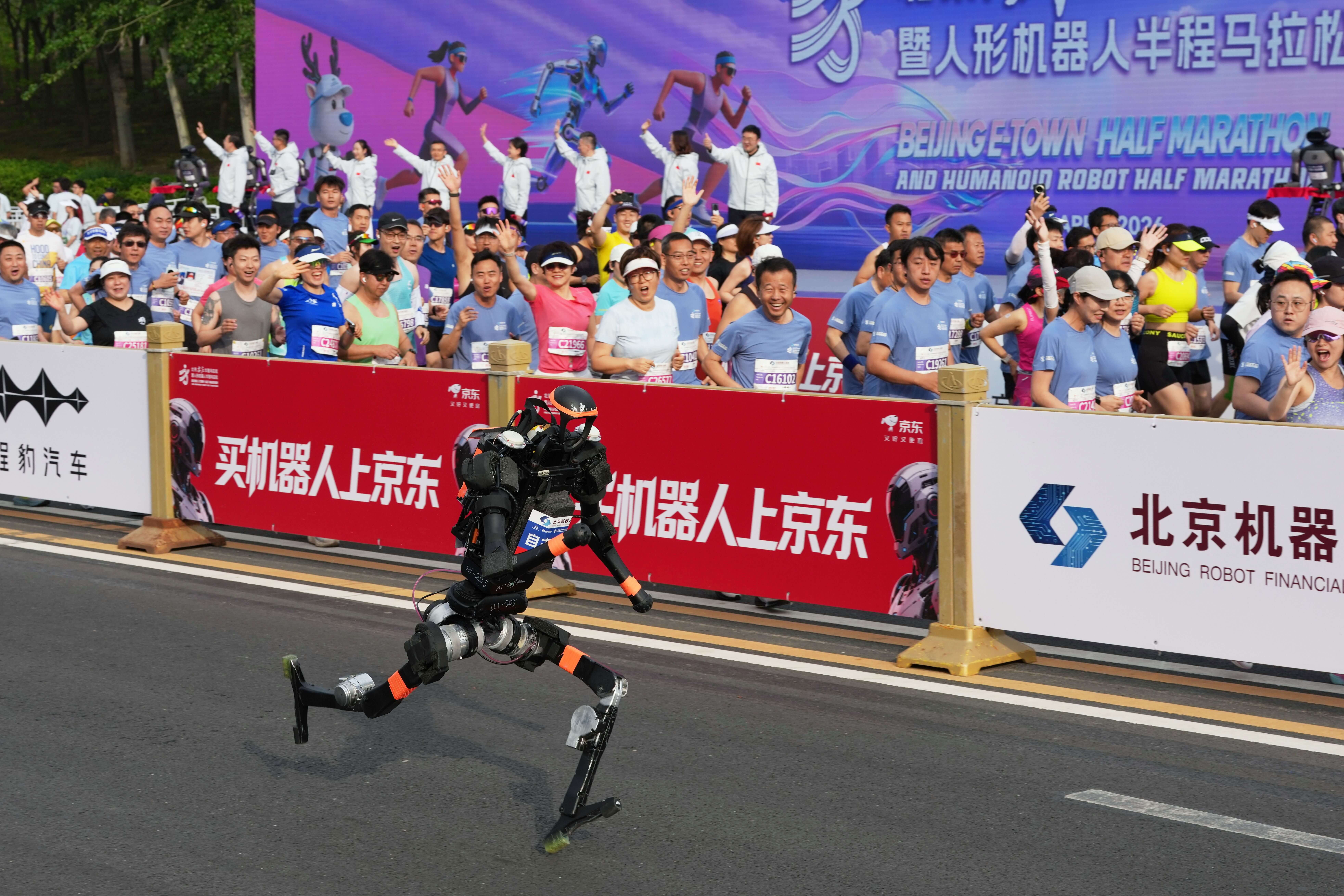
China's Embodied AI Strategy to Transform Robotics Industry
China is pursuing an ambitious strategy focused on "embodied artificial intelligence" (embodied AI) with the aim of significantly transforming its robotics industry. This approach emphasizes the integration of AI into physical robots, enabling them to interact with and understand the physical world, a key element in the country's broader technological development goals.
Advancing Embodied AI Capabilities
The report highlights that China's embodied AI strategy involves a multi-faceted approach to enhance robot capabilities. This includes advancements in areas such as perception, decision-making, and physical manipulation. The focus is on creating robots that can perform complex tasks in dynamic and unstructured environments, moving beyond current industrial automation. This strategic push is intended to propel China to a leading position in the global robotics market by fostering innovation in hardware and software integration.
Industrial and Societal Implications
The development of embodied AI is anticipated to have profound implications across various sectors of the Chinese economy and society. In industry, this technology is expected to drive significant productivity gains and reshape manufacturing processes. Beyond industrial applications, the deployment of embodied AI could impact areas such as healthcare, logistics, and domestic services, addressing demographic challenges and improving quality of life. The report suggests that this technological advancement is a core component of China's long-term industrial policy.
In conclusion, China's commitment to embodied AI represents a strategic imperative to revolutionize its robotics sector. By integrating advanced AI with physical systems, the nation aims to enhance robot autonomy and applicability across diverse domains, thereby reinforcing its industrial competitiveness and addressing societal needs.