
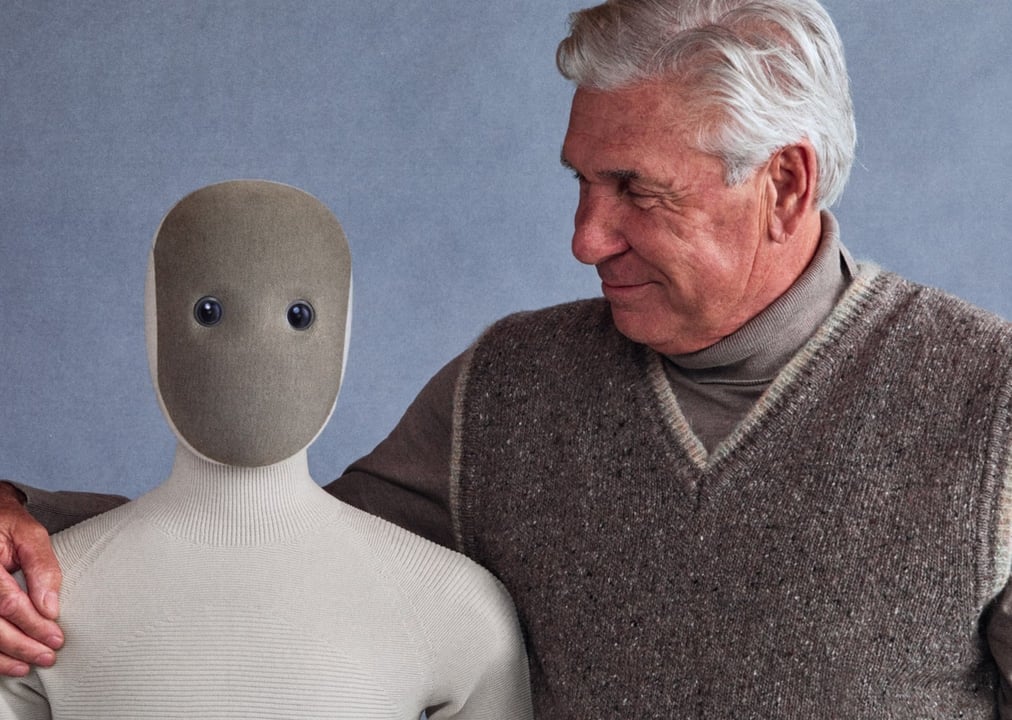
1X Neo Humanoid Robot Demonstrates Self-Learning Capabilities
A new humanoid robot, dubbed Neo, developed by Norwegian robotics company 1X, has demonstrated advanced self-learning capabilities. The robot is designed to learn new tasks and behaviors through observation and interaction, a significant step towards more adaptable and autonomous robotic systems.
Neo's Learning Mechanism
Neo operates using a novel approach to machine learning that allows it to acquire skills without explicit programming for each individual task. This method enables the robot to observe demonstrations and then independently practice and refine its execution. The system is designed to identify patterns and generalize knowledge, meaning that once Neo learns a task, it can potentially apply that understanding to similar, yet unpracticed, situations. This learning process emphasizes efficiency and the reduction of manual programming efforts typically associated with robotics.
Potential Applications and Development
The development of Neo focuses on creating robots that can integrate into various environments and assist with a range of activities. While specific applications are not detailed, the self-learning aspect suggests potential for use in domains requiring flexibility and continuous adaptation, such as logistics, manufacturing, or even domestic assistance. 1X's approach to robotics aims to bridge the gap between current industrial automation and more dynamic, interactive robotic partners capable of evolving alongside human needs and changing environments.
Conclusion
The 1X Neo humanoid robot represents a notable advancement in robotic learning, showcasing an ability to acquire new skills through observation and practice. This self-learning mechanism, developed by 1X, aims to enhance robot adaptability and reduce the reliance on extensive pre-programming, paving the way for more versatile robotic systems.