
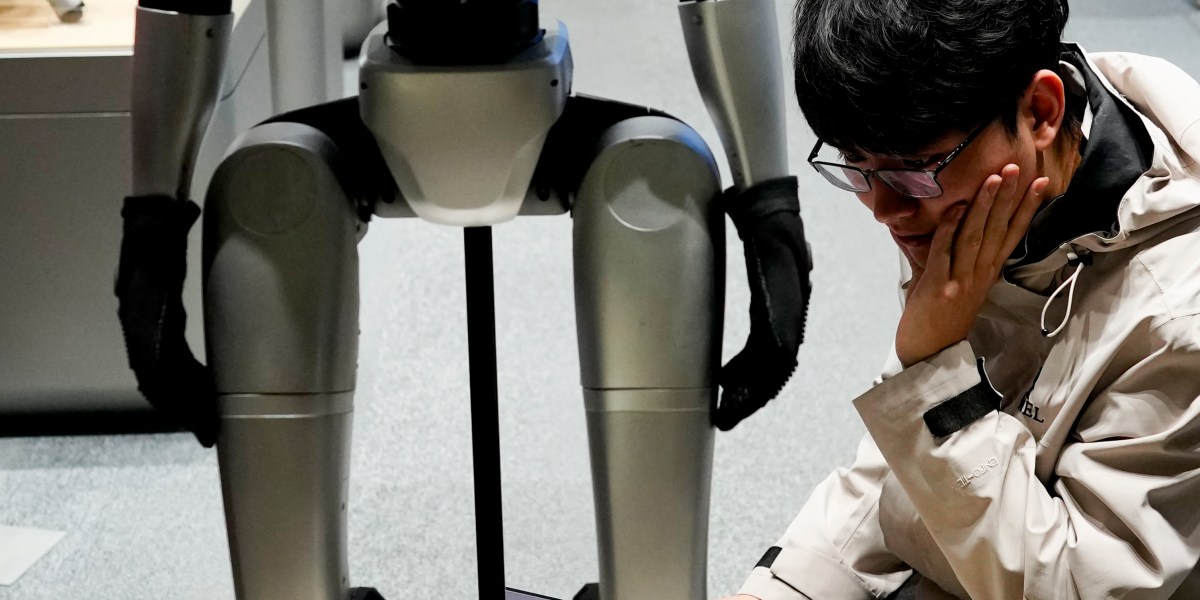
Bank of America Forecasts Significant Growth in Humanoid Robot Market
Bank of America predicts that the humanoid robot market could reach $3 billion by 2060, driven by advancements in artificial intelligence and the increasing need for labor in various industries. The forecast suggests a substantial expansion in the adoption and capabilities of these robots in the coming decades.
Drivers of Market Growth
Several factors are expected to fuel the growth of the humanoid robot market. The continuous evolution of artificial intelligence is a key driver, enabling robots to perform more complex tasks and interact more naturally with their environment and with humans. Additionally, demographic shifts, including aging populations and declining birth rates in many developed countries, are creating labor shortages across sectors. This shortage is anticipated to increase the demand for humanoid robots as a potential solution to fill these gaps. The increasing affordability and improved functionality of these robots are also expected to contribute to their wider adoption.
Potential Applications and Impact
The forecast highlights a broad range of potential applications for humanoid robots. These could include roles in manufacturing, logistics, healthcare, and elder care, where repetitive or physically demanding tasks are common. The integration of humanoid robots into these sectors could lead to increased efficiency, improved safety for human workers, and the potential to provide assistance to aging populations. The economic impact is projected to be significant, with the $3 billion market valuation indicating a substantial new industry emerging.
In conclusion, Bank of America's forecast indicates a promising future for the humanoid robot market, with a projected $3 billion valuation by 2060. This growth is expected to be propelled by advancements in AI and the growing demand for labor solutions in various industries, leading to the integration of these robots into numerous aspects of the economy and society.