
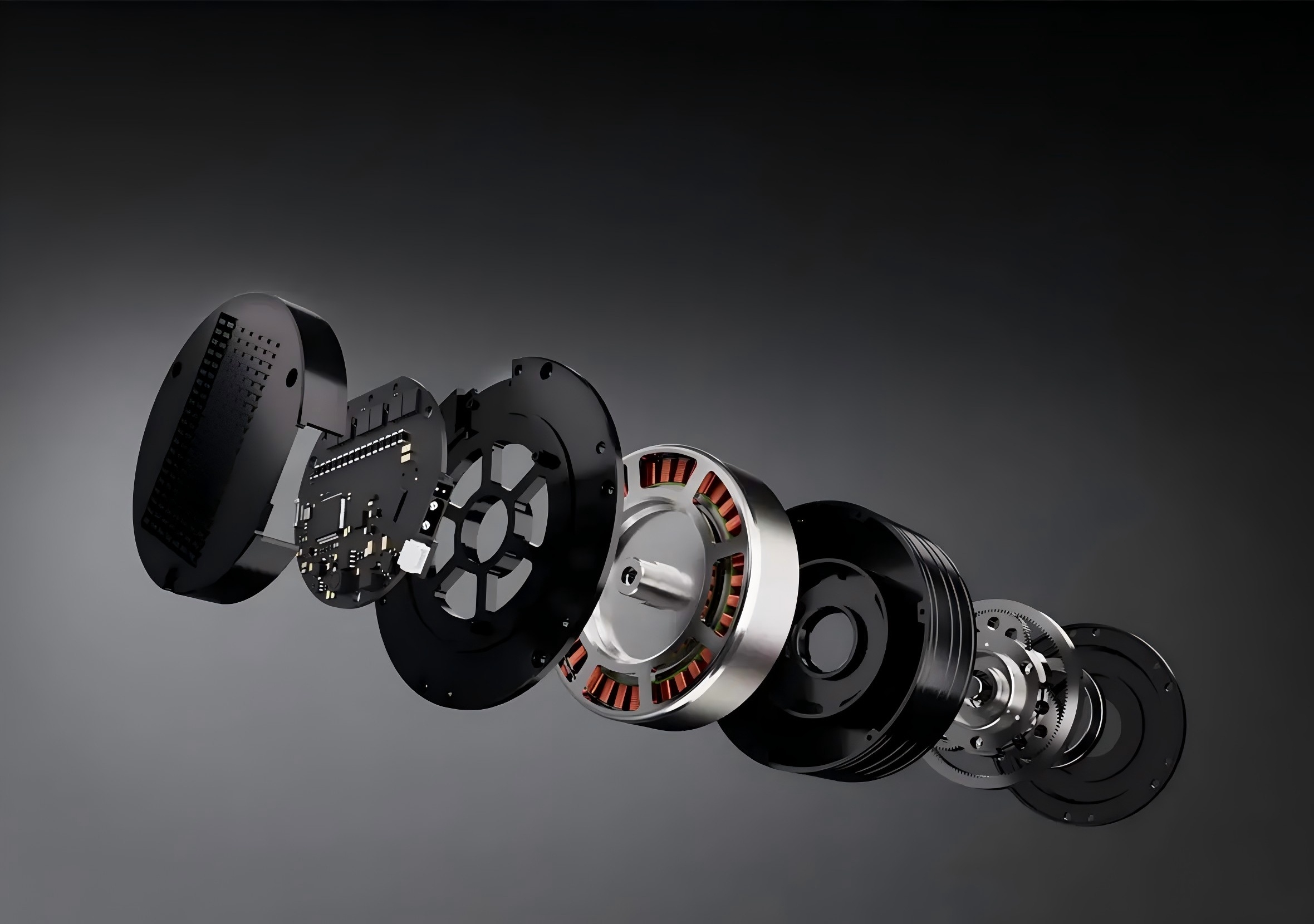
Selecting the Right Joint Motors for Humanoid Robots
This article provides guidance on selecting appropriate joint motors for humanoid robots, emphasizing key technical considerations and performance metrics. The selection process involves evaluating factors such as torque, speed, precision, and power consumption to ensure optimal functionality and efficiency for robotic joints.
Torque and Speed Requirements
The primary consideration for joint motor selection is meeting the required torque and speed specifications for each joint. Torque is crucial for overcoming gravitational forces, inertia, and external loads that the robot's limbs will encounter during operation. The article suggests calculating the maximum torque demand for each joint under various operational scenarios, including lifting, manipulating objects, and maintaining posture. Speed requirements, on the other hand, dictate how quickly a joint needs to move to achieve desired robotic motion. A balance between sufficient torque and adequate speed is essential for fluid and responsive robot movement.
Precision, Backlash, and Power Consumption
Beyond torque and speed, precision and backlash are critical for accurate robotic movements. High precision ensures that a joint can reach and maintain a specific position with minimal error, which is vital for tasks requiring dexterity and fine manipulation. Backlash, the amount of play in a gear train, can introduce inaccuracies and should be minimized through careful component selection and design. Power consumption is another significant factor, as it directly impacts the robot's operational endurance and thermal management. Efficient motors that minimize energy waste are preferred to maximize battery life and reduce heat generation, which can affect performance and longevity.
In conclusion, selecting the right joint motors for humanoid robots necessitates a thorough analysis of torque and speed demands, alongside critical considerations for precision, backlash, and power consumption. These factors collectively determine the performance, efficiency, and overall capability of the robot's articulation.