
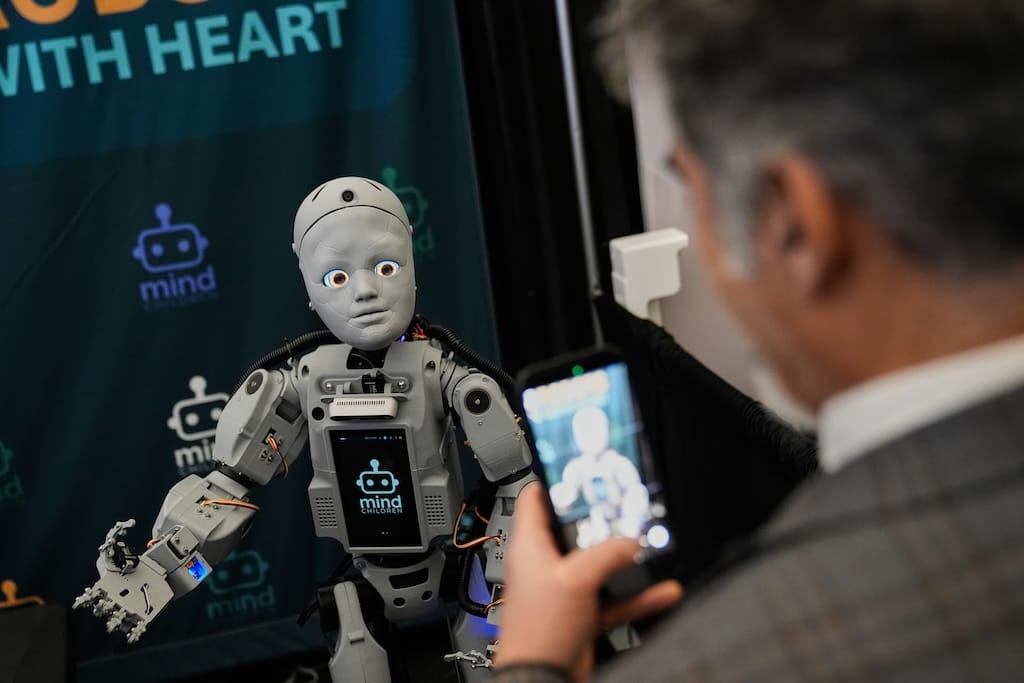
Humanoid Robots Headline Silicon Valley Summit Amidst Lingering Skepticism
A recent summit in Silicon Valley focused on the burgeoning field of humanoid robotics, showcasing advancements and applications while also addressing persistent questions regarding their practical deployment and societal impact. The event brought together developers, researchers, and industry observers to discuss the current state and future trajectory of this technology.
Advancements and Demonstrated Capabilities
The summit featured demonstrations of the latest humanoid robot models, highlighting their enhanced dexterity and mobility. Companies showcased robots performing a range of tasks, from intricate manipulation of objects to navigating complex environments. Presentations detailed progress in areas such as artificial intelligence, sensor technology, and power efficiency, all crucial for expanding the capabilities of these machines. The discussions emphasized the potential for humanoid robots to assist in various sectors, including manufacturing, logistics, healthcare, and even domestic assistance.
Challenges and Skepticism
Despite the technological strides, the summit also underscored significant challenges and prevailing skepticism. Concerns were raised about the high cost of development and production, which currently limits widespread adoption. Questions also persisted regarding the reliability and safety of humanoid robots in real-world, unstructured environments. Furthermore, discussions touched upon the ethical implications and potential societal disruptions, including job displacement and the need for robust regulatory frameworks. Speakers acknowledged that while progress is evident, the path to mass deployment of fully autonomous and widely integrated humanoid robots remains complex and requires further innovation and public acceptance.
In summary, the Silicon Valley summit on humanoid robots revealed significant technological advancements and a clear vision for their future applications. However, the event also emphasized the ongoing hurdles related to cost, reliability, and societal integration that must be overcome before humanoid robots become a commonplace feature across industries.