
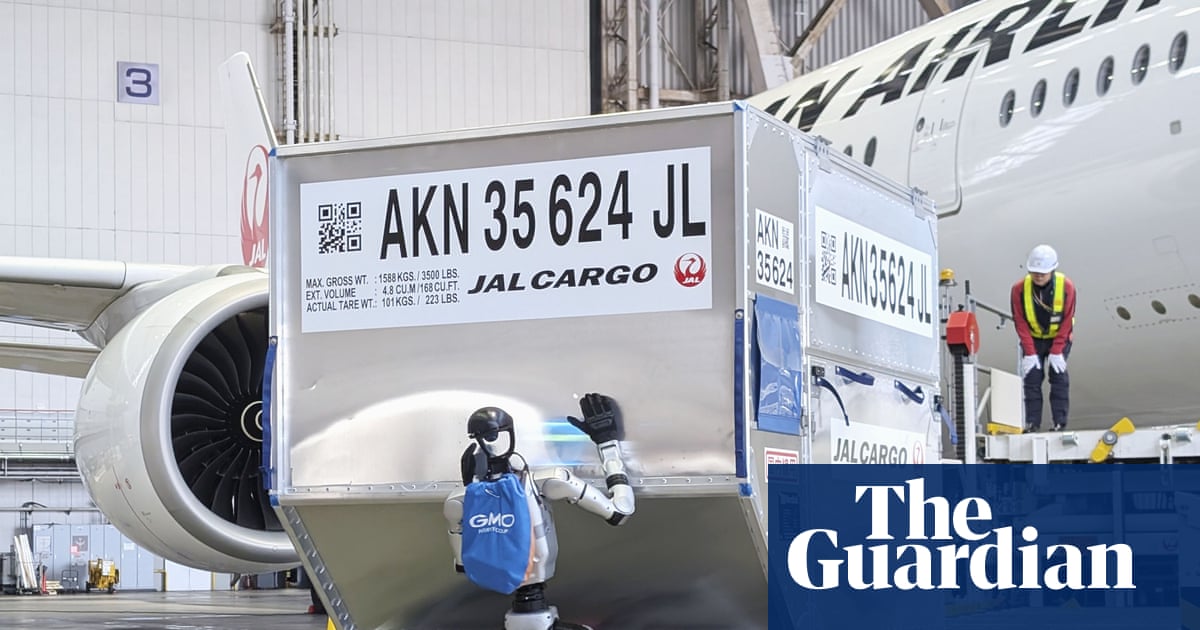
Humanoid Robots Deployed as Baggage Handlers in Japanese Airports
TOKYO – Japanese airports have begun deploying humanoid robots to assist with baggage handling duties. This initiative aims to address labor shortages and improve efficiency in airport operations.
Robotic Baggage Handling System
The newly introduced robots are designed to lift and transport luggage, reducing the physical strain on human workers. These machines are equipped with advanced sensors and manipulators to accurately identify, grip, and place bags onto conveyor belts or into aircraft cargo holds. The deployment is part of a broader strategy to integrate automation into various sectors across Japan.
Addressing Labor Shortages and Enhancing Efficiency
Airport operators have cited an increasing difficulty in recruiting and retaining staff for physically demanding roles like baggage handling. The introduction of humanoid robots is expected to alleviate these pressures, ensuring that baggage operations can continue smoothly even with a reduced human workforce. Furthermore, the robots are programmed for consistent performance, potentially leading to faster turnaround times for aircraft.
Future Outlook for Airport Automation
This development marks a significant step in the application of robotics within the aviation industry. The success of this pilot program could pave the way for further automation in other airport functions, including passenger assistance and cargo logistics. The integration of humanoid robots highlights Japan's commitment to leveraging technological solutions for its economic and operational challenges.
In summary, Japanese airports have initiated the use of humanoid robots for baggage handling to combat labor shortages and boost operational efficiency. This deployment signifies a broader trend towards automation in the aviation sector, with potential implications for future airport operations.