
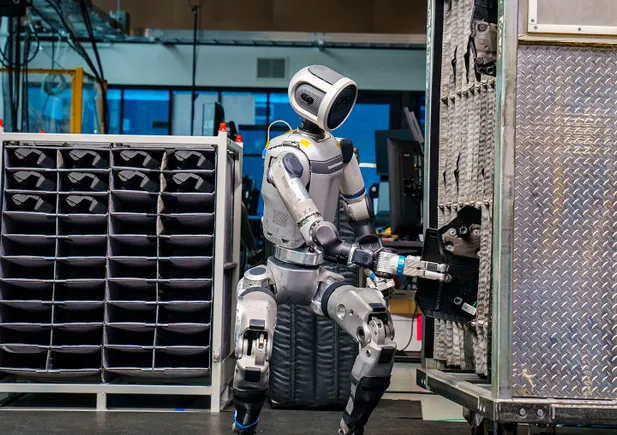
Humanoid Robots Poised to Fill Undesirable Jobs
Humanoid robots are increasingly seen as a potential solution for filling roles that are currently difficult to staff due to their demanding or undesirable nature. While the concept has long been a subject of science fiction, advancements in robotics are bringing this possibility closer to reality, with implications for various industries.
The Appeal of the Humanoid Form
The humanoid design is central to the appeal of these robots for certain job functions. This form factor allows them to operate in environments and perform tasks that were traditionally designed for human workers. This includes navigating complex spaces, manipulating objects with dexterity, and interacting with existing infrastructure. The ability to replicate human movements and capabilities is seen as key to their potential deployment in roles such as manufacturing, logistics, and potentially even elder care, where human-like interaction and physical assistance are valuable.
Addressing Labor Shortages and Undesirable Tasks
A primary driver for the development and adoption of humanoid robots is the persistent challenge of labor shortages in specific sectors. Many industries struggle to attract and retain workers for jobs that are physically strenuous, repetitive, or located in hazardous conditions. Humanoid robots offer a way to automate these tasks, thereby alleviating pressure on the human workforce and potentially improving overall productivity and safety. The "ironic promise" lies in using these advanced machines to perform the very jobs humans are increasingly unwilling to do.
In conclusion, humanoid robots are being developed with the specific intention of taking on jobs that are challenging to fill with human labor. Their human-like design facilitates their integration into existing work environments, addressing labor shortages and automating undesirable tasks across various industries.