
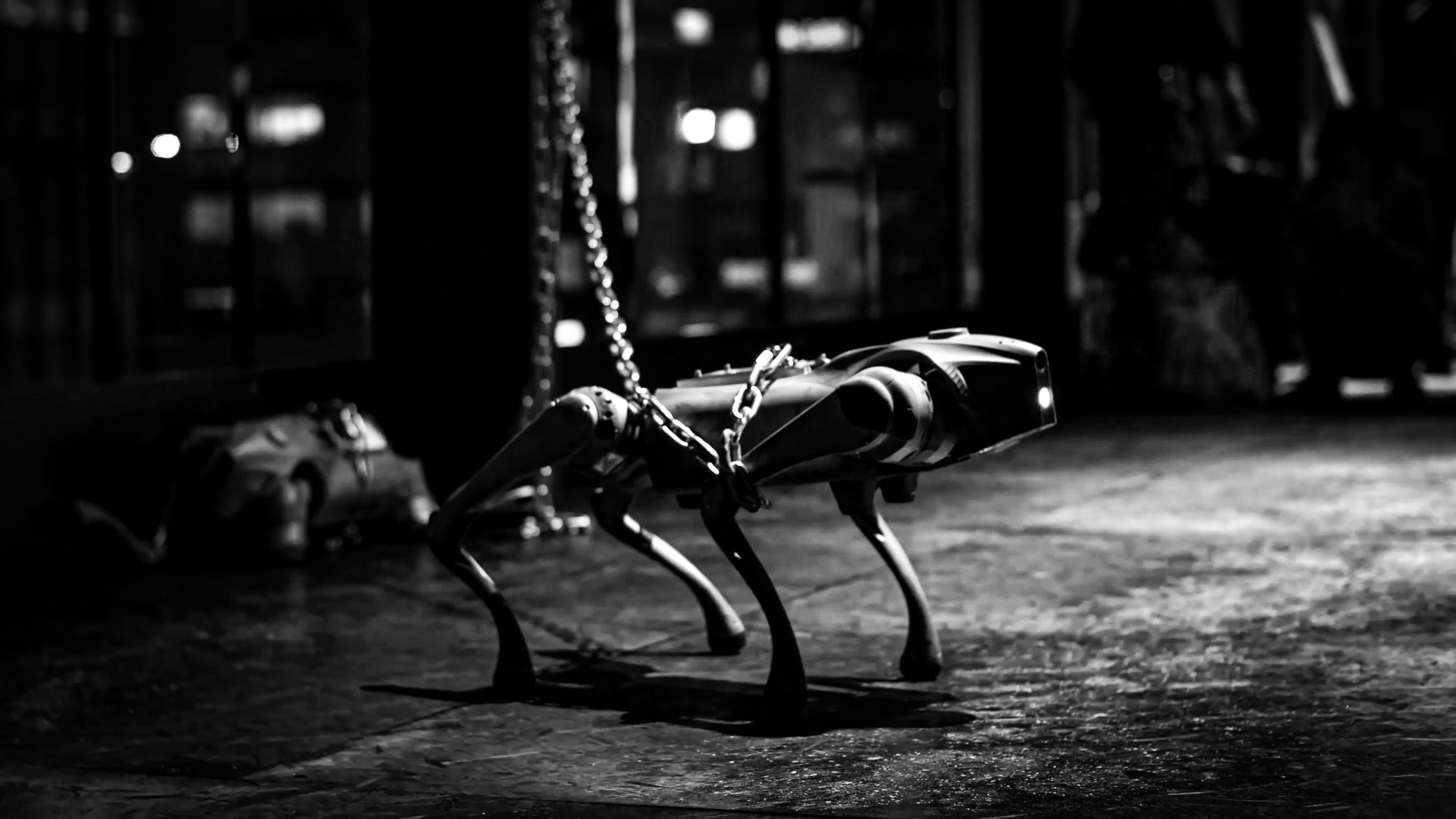
The Paradox of Robot Empathy: Why We React to Robotic Distress
Understanding the Human Response to Simulated Suffering
A recent exploration delves into the psychological phenomenon of humans experiencing distress when witnessing the mistreatment of robots, even though robots are incapable of feeling pain or suffering. The article posits that this reaction stems not from genuine empathy for the robot's state, but rather from the human tendency to anthropomorphize and project emotional responses onto non-sentient entities that exhibit human-like characteristics. The core of this human inclination lies in our inherent social programming and our ingrained tendency to interpret behaviors through an emotional lens.
The Role of Anthropomorphism in Robotic Interaction
The article highlights anthropomorphism as a key driver behind our emotional responses to robots. When robots are designed to mimic human appearance, behavior, or even express simulated emotions, humans are more likely to attribute human-like qualities to them. This projection can lead to a feeling of connection or responsibility towards the robot, making its perceived mistreatment feel more impactful. The study suggests that the more human-like a robot is, the stronger this empathetic-like response becomes, irrespective of the robot's actual sentience or capacity for feeling.
Neurological and Psychological Underpinnings of the Reaction
Further examination points to the neurological and psychological mechanisms at play. When observing actions that resemble harm or distress in a human or animal, specific brain regions associated with empathy and pain processing are activated in humans. The article suggests that the visual or auditory cues of a robot in a state of simulated distress can inadvertently trigger these same neural pathways in the human observer. This involuntary activation leads to a physiological and emotional response that mirrors genuine empathy, even when the rational mind understands the robot's lack of sentience. Essentially, our brains are wired to react to certain stimuli in ways that have evolved for social interaction and survival.
In conclusion, the article explores the curious human tendency to experience a sense of wrongness when witnessing the mistreatment of robots. This phenomenon is attributed to anthropomorphism, our natural inclination to project human qualities onto non-human entities, and the activation of our innate empathetic neural pathways, which are triggered by human-like cues regardless of actual sentience.